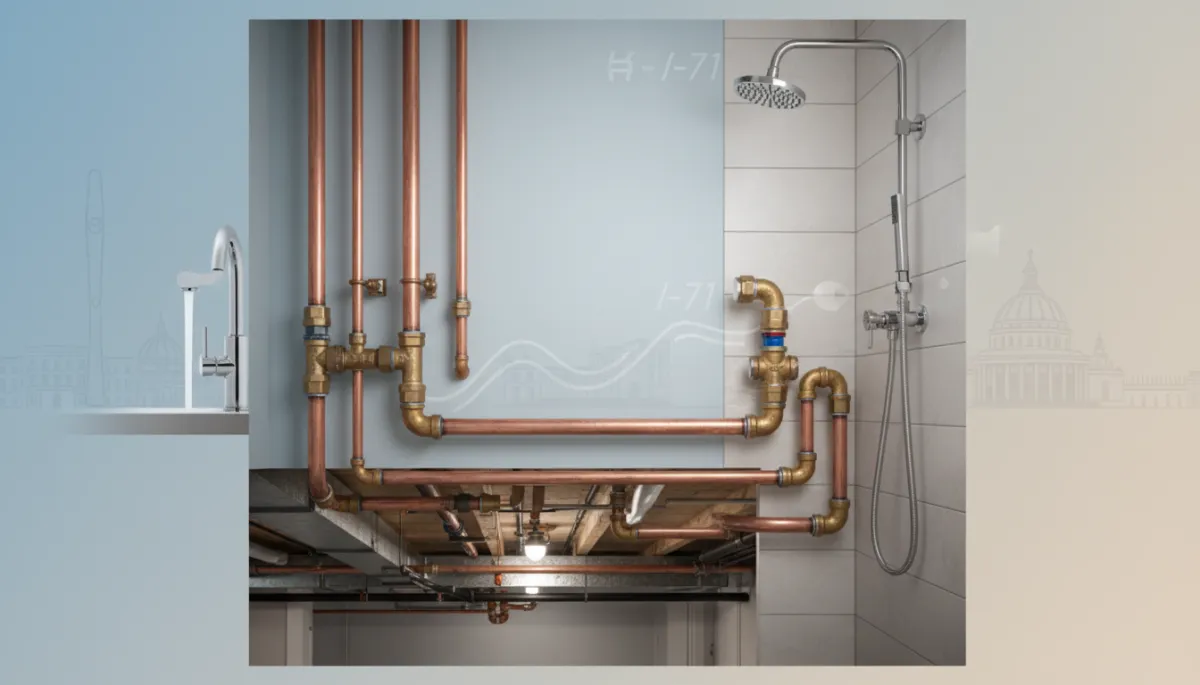
Residential Plumbing Tips for Remodels & Repairs
Residential Plumbing, Kitchen & Bath Remodels, Basement Finishing
Residential Plumbing Basics for Remodels and Repairs Along the I‑71 Corridor
Speaking as a general contractor who has spent years on job sites in Louisville, Southern Indiana, Northern Kentucky, Cincinnati, and nearby communities, I can tell you this: plumbing will make or break a project. When it is planned and maintained correctly, you hardly notice it. When it is ignored, it quickly becomes the most expensive problem in the house. This guide is written to help homeowners understand how residential plumbing really works in everyday projects, what warning signs to watch for, and when it makes sense to update plumbing during remodels and renovations.
Common Residential Plumbing Issues Homeowners Should Recognize
Across Louisville, Southern Indiana, Northern Kentucky, and Cincinnati, I see the same plumbing problems show up again and again. The house style may change from an older brick home near downtown Louisville to a newer subdivision in the suburbs, but the underlying issues are familiar. Understanding these problems early can keep a small repair from turning into a large project.
Slow Drains and Frequent Clogs
Slow drains in sinks, tubs, or showers are one of the most common complaints. In kitchens, we usually find a buildup of grease, food particles, and soap scum. In bathrooms, it is often hair, soap, and sometimes small objects that have gone down the drain by accident. In older homes around Louisville and Cincinnati, we also see older galvanized or cast iron drain lines that have rough interiors, making clogs more frequent. A single slow drain might be a local blockage, but when several fixtures back up together, that tells us the main line may be partially blocked or undersized for current use.
Low Water Pressure and Inconsistent Temperature
Low water pressure can be caused by mineral buildup in older pipes, partially closed valves, failing pressure regulators, or undersized supply lines. In some neighborhoods throughout the region, we also see municipal pressure that fluctuates throughout the day. When you notice the shower pressure drop sharply when another fixture turns on, that is often a sign the system has not been sized or updated for modern fixtures and water usage. Inconsistent hot water, especially when more than one person is using water, can point to issues with the water heater, mixing valves, or hot water distribution piping.
Leaks, Stains, and Musty Odors
Small leaks are the problems homeowners most often ignore, and they are also the ones that cause the most damage over time. Water stains on ceilings below bathrooms, soft or spongy flooring around toilets or tubs, and musty odors in basements or under sinks are all signs that water has been getting where it does not belong. In our climate, moisture left unchecked can quickly lead to mold, damaged framing, and failing subfloors. By the time you see a stain, the leak has usually been present for a while, so it is important to take it seriously.
Older or Problematic Pipe Materials
In older homes around Cincinnati and the historic neighborhoods of Louisville, it is not unusual to find galvanized steel supply lines, cast iron drains, or even remaining sections of lead piping. In some homes built in certain eras, we also run into polybutylene piping, which has a known history of failure. These materials may still be functioning, but they are more prone to leaks, corrosion, and blockages than modern copper, PEX, or PVC. When we open walls during a remodel and see these older materials, it is often the right time to update them while access is easy.
Signs You Need Professional Plumbing Repairs, Not Just a Quick Fix
There is nothing wrong with a homeowner clearing a simple hair clog or replacing a faucet aerator. But there are clear situations where calling a professional plumber is the safer and more cost‑effective choice. From my experience managing projects across this region, these are the warning signs you should not ignore.
Repeated Clogs or Backups in the Same Area
If you are plunging the same toilet every week or running drain cleaner down the same sink regularly, you are treating a symptom, not the cause. Repeated clogs can signal improper slope in the drain line, a partial collapse, tree root intrusion in the main line, or venting problems. In many older neighborhoods, tree roots in clay sewer lines are especially common. A licensed plumber can run a camera through the line to see exactly what is going on and recommend a lasting solution.
Sudden Drop in Water Pressure or Discolored Water
A sudden change in pressure or water color can indicate a serious issue, such as a supply line leak, failing pressure regulator, or corrosion inside older pipes. Brown or yellow water, especially after the water has been off, can mean rust inside galvanized piping or disturbances in the main line. In any of these cases, a professional needs to inspect the system. Ignoring these signs can lead to pipe bursts, water damage, and costly emergency calls down the road.
Persistent Sewer Odors or Gurgling Drains
Sewer gas odors inside the home are more than just unpleasant; they can point to missing or damaged traps, dry traps, broken vent lines, or cracked drain piping. Gurgling sounds from one fixture when another is draining can also indicate venting problems or partial blockages. These are not issues to mask with air fresheners. A plumber should find and fix the source, both for safety and to keep the system working as designed.
Hidden Leaks, Rising Water Bills, and Damp Basements
If your water bill jumps without explanation, or you notice damp spots in the basement or crawlspace, you may have a leak in a supply line or main. In many homes with basements, slow leaks can go unnoticed for months. Over time, they can weaken foundations, rot framing, and support mold growth. A professional can pressure‑test the system, locate the leak, and repair it before structural damage sets in.
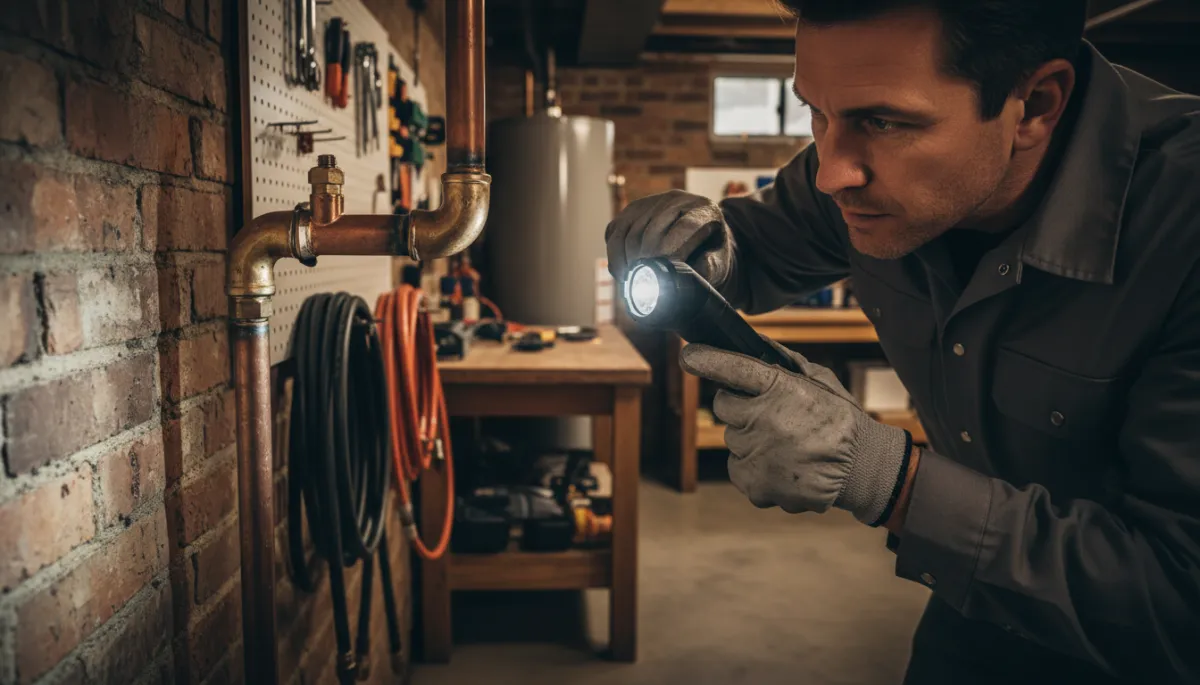
Early leak detection in basements can prevent costly structural and mold repairs.
What Really Impacts Plumbing Project Costs
Homeowners often ask why two seemingly similar projects can have very different plumbing costs. From a contractor’s standpoint, pricing is not just about the number of fixtures. It is about access, existing conditions, materials, and how much work it takes to bring the system up to current standards in your area, whether that is Louisville, Southern Indiana, Northern Kentucky, Cincinnati, or a nearby town.
Access to Pipes and Drains
The easiest plumbing work is done when walls, floors, and ceilings are open. If we can walk into a framed‑out basement with clear access to the main trunk lines, the cost per fixture is much lower. On the other hand, if we need to cut through tile, concrete, or finished ceilings to reach a problem, labor time and repair work increase quickly. Any time we have to work around finished materials, cabinetry, or tight mechanical spaces, it adds to the overall cost.
Age and Type of Existing Plumbing System
Older systems with galvanized, cast iron, or mixed materials usually take more time to update. We may need to replace sections of pipe to tie into modern materials properly, or correct older installations that no longer meet current plumbing codes. In some parts of Louisville and Cincinnati, we still see original plumbing in homes that are 70–100 years old. Bringing those systems up to modern expectations for water pressure, hot water delivery, and fixture locations is more involved than simply swapping fixtures in a newer home.
Number and Type of Fixtures Being Added or Moved
Adding a simple bar sink near existing plumbing is one level of work. Moving a kitchen sink to a new wall, adding a second bathroom in a basement, or converting a half bath to a full bath are different levels altogether. Each fixture needs supply lines, a properly sized drain, and venting. When we move fixtures far from existing stacks or main lines, we may need to run new branches, adjust venting, or even upgrade the main drain size. These changes are what really drive plumbing costs on larger remodels and home additions.
Local Codes, Permits, and Inspection Requirements
Each jurisdiction around Louisville, Southern Indiana, Northern Kentucky, and Cincinnati has its own permitting and inspection process. When plumbing work involves moving fixtures, adding bathrooms, or tying into the main sewer, permits and inspections are typically required. Professional contractors factor the time to coordinate with inspectors, schedule rough‑in and final inspections, and make any required adjustments into the project cost. Doing work without the proper permits can cause issues when selling the home and may require expensive corrections later.
When to Update Plumbing During a Kitchen Remodel
Kitchen remodels in Louisville, Cincinnati, and surrounding areas often start with cabinets and finishes, but the plumbing layout under the surface is just as important. As a general contractor, I always recommend reviewing the plumbing plan before cabinets are ordered or walls are closed up. Updating the plumbing at the right stage prevents surprises and change orders once construction is underway.
Moving or Adding a Sink, Dishwasher, or Refrigerator Line
If you plan to move the kitchen sink to a new location, add a second sink in an island, or relocate the dishwasher, the plumbing rough‑in needs to be addressed early. We look at where the existing drain and vent are located, how far they can be extended while maintaining proper slope, and whether the venting system can be tied in correctly. For refrigerators with ice makers or water dispensers, we also plan dedicated water lines, often run through basements or crawlspaces common in homes throughout the region. All of this has to be roughed in before cabinets, countertops, and final flooring go in.
Upgrading Old Supply and Drain Lines While Walls Are Open
During a full gut kitchen remodel, we often have walls and ceilings open, which is the ideal time to replace older galvanized or mixed piping with modern copper or PEX for supplies and PVC for drains. In many Louisville and Northern Kentucky homes, the kitchen plumbing is original to the house. Even if it is not actively leaking, upgrading it while access is easy is usually more cost‑effective than waiting for a future problem that requires tearing into finished work. We also make sure shut‑off valves are accessible and in good condition so future maintenance is simpler.
Coordinating Plumbing with Cabinet and Appliance Layouts
Plumbing rough‑in needs to be coordinated with cabinet drawings and appliance specifications. The height and location of the sink drain, dishwasher connection, and shut‑off valves must work with the cabinet configuration and any pull‑out accessories. As a contractor, I like to have final cabinet plans in hand before the plumber starts rough‑in. This prevents conflicts like a drain landing behind a drawer bank or a water line interfering with a slide‑out trash unit, which I have seen more than once on projects around Southern Indiana and Cincinnati.
When to Update Plumbing During a Bathroom Remodel
Bathrooms are where plumbing and finishes are tied most closely together. Tile, waterproofing, and fixture placement all depend on solid plumbing rough‑in. Whether the home is in Louisville, Northern Kentucky, Southern Indiana, or Cincinnati, the best time to address plumbing updates is before any new tile, tubs, or shower systems are installed.
Replacing Old Tubs, Showers, and Valve Assemblies
When we remove an old tub or shower, we almost always find aging valves and sometimes questionable connections hidden in the wall. This is the time to install modern pressure‑balancing or thermostatic valves, replace old galvanized or mixed piping, and make sure the rough‑in heights and locations match the new fixtures. In older homes around Louisville and Cincinnati, we also run into drum traps or non‑standard drains that need to be brought up to current standards. Making these updates before tile or wall panels go up is critical; opening a finished shower to fix a leak is one of the most expensive repairs a homeowner can face.
Adjusting Layouts for Better Use of Space
Many bathrooms in this part of the country were built with small footprints and tight layouts. During a remodel, homeowners often want to swap a tub for a larger shower, move a toilet for better clearance, or add a double vanity. Each of these changes affects the plumbing rough‑in. Moving a toilet, in particular, is more involved because of the larger drain size and venting requirements. When we plan these changes early, we can route drains and vents efficiently, avoid structural conflicts with floor joists, and ensure everything meets code before the inspector arrives.
Protecting Against Future Leaks and Moisture Damage
Bathrooms are wet areas by design, but water should stay in the fixtures and drains, not in the walls or floors. During a remodel, we pay close attention to proper drain connections, quality valve and shower head installations, and solid support around tubs and shower pans. In basements and lower‑level baths common in Southern Indiana and Northern Kentucky, we also consider sump systems and backwater valves where needed. Updating the plumbing during the remodel is your best chance to prevent hidden leaks that could show up years later as soft floors, loose tiles, or moldy drywall.
Plumbing Considerations for Basement Finishing Projects
Basements are a major opportunity for added living space in Louisville, Cincinnati, and surrounding communities. Finishing a basement often includes adding a bathroom, wet bar, or laundry area. From a plumbing standpoint, basements require careful planning because we are working below or near the level of the main sewer line, and we have to respect the structure of the foundation and slab.
Rough‑In Location and Drain Elevation
Some newer homes around Louisville and Northern Kentucky are built with basement bathroom rough‑ins already in place. In these cases, we verify that the rough‑in locations and drain elevations match the planned fixtures and that venting is adequate. In older homes or unfinished basements without rough‑ins, we may need to break concrete to install new drains and connect to the main line. This work needs to be carefully laid out to avoid structural footings and to maintain proper slope. It is not something to guess at; once concrete is poured back, changes become expensive.
Up‑Flush and Sewage Ejector Options
In some basements, especially where the main sewer line leaves the house higher than the basement floor, we cannot rely on gravity alone. In those cases, we may install an up‑flush toilet system or a sewage ejector pump. These systems grind and pump waste up to the main line. They work well when designed and installed correctly, but they do add equipment that needs power, venting, and maintenance. A plumber familiar with local conditions in Southern Indiana, Cincinnati, and nearby areas can advise which option is appropriate for your specific house and sewer connection.
Planning for Future Uses and Access Panels
When finishing a basement, it is wise to think ahead. Even if you only plan a family room now, consider whether you might want a future bath, bar, or laundry. Running capped supply and drain lines to logical locations while the ceiling is open is usually much less expensive than opening finished work later. We also plan access panels for shut‑off valves, cleanouts, and pumps so future repairs do not require tearing out ceilings or walls—a lesson learned from many projects in basements throughout Louisville and Northern Kentucky.
Updating Plumbing During a Whole‑Home Renovation
When you are renovating an entire home—something we see often in older neighborhoods of Louisville, Cincinnati, and nearby communities—plumbing becomes a central part of the planning. This is the best opportunity you will ever have to bring the whole system up to modern standards, improve reliability, and support the way your family actually lives in the home today.
Evaluating the Entire Plumbing System, Not Just Individual Rooms
In a whole‑home renovation, we look beyond isolated fixtures. We evaluate the main water service line, the water heater size and location, the main sewer connection, and the layout of all supply, drain, and vent lines. Homes built decades ago in this region were not designed for multiple full bathrooms, large kitchens with several appliances, and modern laundry equipment. During renovation, we can resize lines, adjust layouts, and add shut‑offs and cleanouts so the system functions reliably for the next generation of owners.
Coordinating Plumbing with Structural and Mechanical Changes
Whole‑home projects often involve moving walls, adding beams, or reconfiguring stairways. We have to coordinate plumbing with these structural changes and with HVAC and electrical systems. For example, if a new beam goes where a main drain used to run, we may need to reroute the line to maintain slope without notching or weakening framing. Experienced contractors and plumbers work together on these details so the finished home is both strong and functional. This level of planning is especially important in older homes in Louisville, Southern Indiana, and Cincinnati, where framing and foundation conditions vary widely.
Prioritizing Safety and Long‑Term Reliability
During a renovation, we prioritize replacing outdated or unsafe materials, correcting improper installations, and adding protection where needed. That may include replacing old water heaters, adding expansion tanks where required, installing backflow prevention devices, or upgrading to modern shut‑off valves and hose bibbs. The goal is not just to pass inspection today but to give you a plumbing system that will serve your family safely and reliably for many years in your Louisville, Northern Kentucky, Southern Indiana, or Cincinnati home.
Frequently Asked Questions About Residential Plumbing Projects
How do I know if my home’s plumbing is too old and needs updating?
Age alone is not the only factor, but if your home in Louisville, Southern Indiana, Northern Kentucky, or Cincinnati is more than 40–50 years old and still has original plumbing, it is worth a professional evaluation. Signs such as frequent leaks, rust‑colored water, low pressure, or a mix of different pipe materials suggest that updating at least parts of the system would be wise, especially if you are planning a remodel or renovation that opens walls and floors anyway.
Can I remodel a kitchen or bathroom without touching the plumbing?
In some cases, yes—if fixtures stay in the same locations and the existing plumbing is in good condition and up to current code. However, from a contractor’s perspective, it is often short‑sighted to invest in new cabinets, tile, and finishes without at least inspecting and, if needed, updating the plumbing behind them. The cost to correct a hidden plumbing issue after the remodel is finished is almost always higher than addressing it while the space is open and accessible.
Why do plumbing estimates vary so much between contractors?
Some estimates only account for the visible work, while others include necessary updates to bring older systems up to current standards, as well as permits, inspections, and coordination with other trades. When you compare estimates in Louisville, Cincinnati, or any nearby community, make sure you are comparing the same scope of work. A detailed estimate that explains what is included—materials, labor, demolition, patching, and code upgrades—gives you a clearer picture than a brief lump‑sum number with little explanation.
Is it worth adding plumbing rough‑ins for future projects?
In many basement finishing and whole‑home projects we handle in Southern Indiana, Northern Kentucky, and Louisville, adding rough‑ins for a future bathroom or wet bar is a smart investment. The cost to run capped lines while framing is open is usually modest compared to the cost of cutting into finished floors and ceilings later. If you have even a reasonable chance of adding fixtures in the future, discuss rough‑in options with your contractor during the planning stage.
How involved should my general contractor be in the plumbing work?
A good general contractor coordinates closely with licensed plumbers, especially on remodels and renovations. We handle scheduling, ensure plumbing rough‑ins align with cabinet, tile, and framing plans, and confirm that work passes required inspections. On projects in Louisville, Cincinnati, and the broader region, I view plumbing as a core part of the overall construction plan, not a separate item. When the contractor and plumber are on the same page, projects run smoother and homeowners get better results.
Bringing It All Together: Planning Plumbing the Right Way
Whether you are dealing with a persistent leak, planning a new kitchen, finishing a basement, or renovating an entire home, plumbing should never be an afterthought. From my years managing projects across Louisville, Southern Indiana, Northern Kentucky, Cincinnati, and nearby areas, the most successful jobs all have one thing in common: the plumbing is planned early, inspected carefully, and updated where it makes sense for long‑term reliability.
Paying attention to common plumbing issues—slow drains, low pressure, stains, odors, and older materials—helps you catch problems before they escalate. Understanding what truly drives plumbing costs—access, existing conditions, fixture changes, and code requirements—puts you in a better position when reviewing estimates. And knowing when to update plumbing during kitchen remodels, bathroom remodels, basement finishing, and whole‑home renovations allows you to invest where it matters most, while walls and floors are open and access is straightforward.
As a general contractor, my goal is straightforward: deliver a finished project that looks good on day one and keeps working the way it should for years to come. Solid plumbing is a big part of that. If you are a homeowner in Louisville, Southern Indiana, Northern Kentucky, Cincinnati, or any of the surrounding communities and you are considering repairs, a remodel, or a larger renovation, it is worth having an experienced team look at your plumbing as part of the overall plan.
Before you open walls, order cabinets, or start tearing out tile, take the time to get a clear, written estimate that explains what is happening with your plumbing, what needs to be updated, and how it will be coordinated with the rest of the project. That conversation up front can save you time, money, and frustration later. When you are ready to move forward, request an estimate from a contractor and plumbing team that understands both the construction side and the realities of local homes in our region. A well‑planned plumbing system is one of the best investments you can make in the comfort, safety, and value of your home.