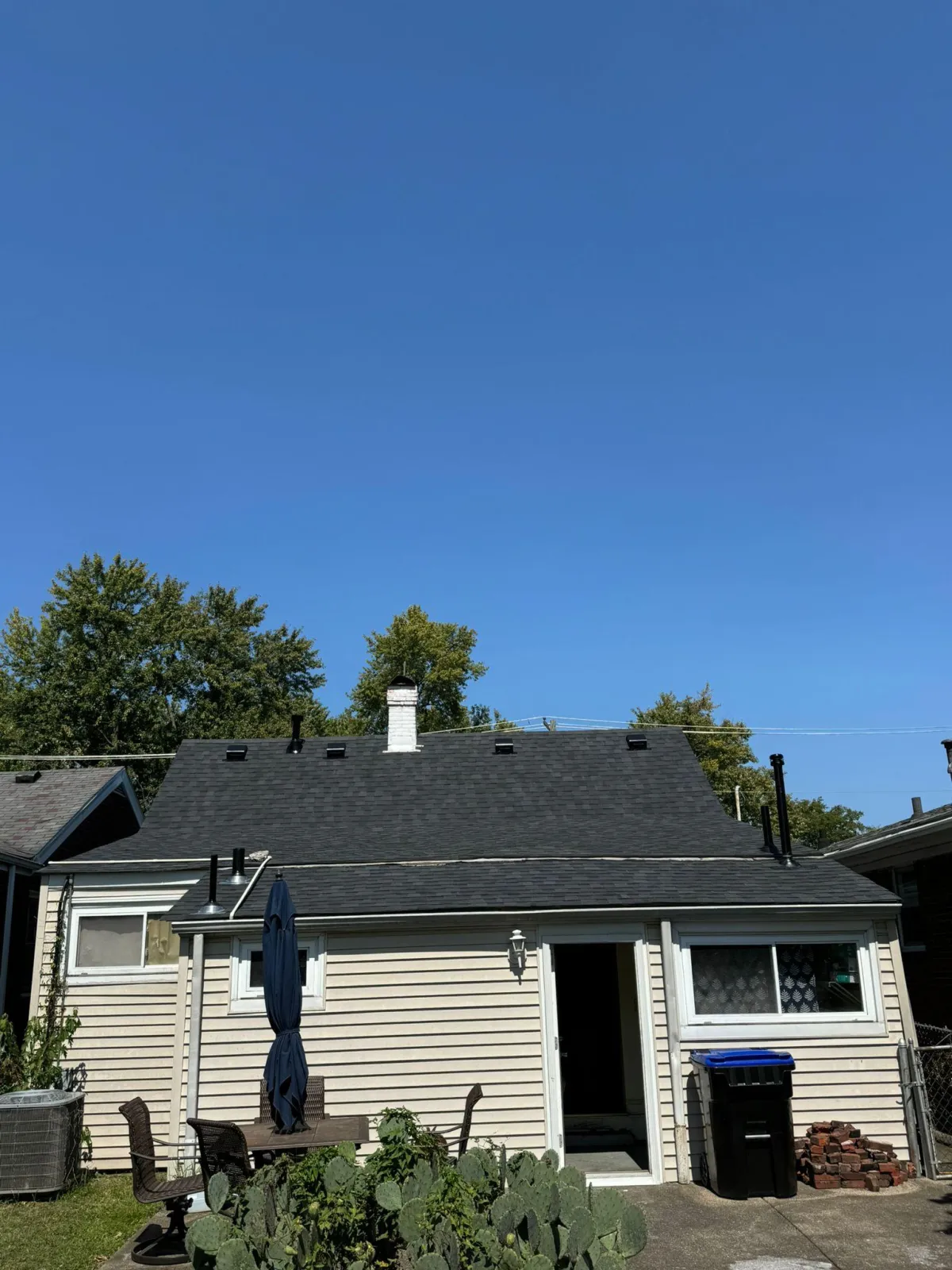
Signs Your Roof May Need to Be Replaced — And How to Choose the Right Roofing Contractor
Signs Your Roof May Need to Be Replaced — And How to Choose the Right Roofing Contractor
Your roof is one of the most important systems protecting your home, yet it’s also one of the easiest to ignore—until a problem shows up. By the time water stains appear on the ceiling or shingles start falling off, damage has often already been done.
Knowing the early signs that a roof may need replacement—and knowing how to properly choose a roofing contractor—can save you time, money, and stress.
Common Signs Your Roof May Need to Be Replaced
Not every roofing issue means a full replacement is required, but there are several warning signs homeowners should never ignore.
1. Your Roof Is Near or Past Its Expected Lifespan
Most asphalt shingle roofs last 20–30 years, depending on materials, installation quality, and weather exposure.
If your roof is approaching that age, it’s wise to have it inspected—even if there are no obvious issues yet.
2. Curling, Cracked, or Missing Shingles
Shingles that are:
Curling at the edges
Cracking
Bald or missing granules
Blown off after storms
are signs the roof is no longer properly protecting your home.
3. Granules in Gutters or Downspouts
Granules protect shingles from UV damage. Finding excessive granules in your gutters is a sign the shingles are deteriorating and nearing the end of their life.
4. Leaks or Water Stains Inside the Home
Water stains on ceilings or walls, musty smells, or visible moisture in the attic often indicate roof failure or compromised flashing.
Even small leaks can lead to:
Mold growth
Structural damage
Insulation issues
5. Sagging Rooflines or Soft Spots
A sagging roofline or soft spots underfoot can indicate structural issues beneath the shingles. This is a serious concern and should be evaluated immediately by a professional.
6. Storm or Hail Damage
After severe storms, hail, or high winds, roofs can sustain damage that isn’t always obvious from the ground. An inspection after major weather events is always a smart move.
Replacement vs. Repair: How to Know the Difference
A professional roofing contractor should never jump straight to replacement without evaluating:
The extent of the damage
The age of the roof
Whether repairs will be long-lasting or temporary
In some cases, repairs make sense. In others, replacing the roof prevents repeated problems and higher long-term costs.
How to Properly Shop for a Roofing Contractor
Roofing is not a place to cut corners. Choosing the wrong contractor can cost more in the long run than the roof itself.
Here’s what homeowners should look for:
1. Verify Licensing, Insurance, and Credentials
Always confirm the contractor is:
Properly licensed (where required)
Fully insured
Willing to provide documentation
This protects you from liability and ensures professional accountability.
2. Be Cautious of “Storm Chasers”
Contractors who appear only after storms and pressure you to sign immediately often disappear just as quickly.
A reputable contractor:
Has a local presence
Can provide references
Will not rush you into a decision
3. Get Clear, Written Estimates
A professional estimate should clearly outline:
Scope of work
Materials being used
Timeline
Warranty information
Vague or verbal estimates are a red flag.
4. Ask About Warranties and Workmanship
A quality roof installation should include:
Manufacturer material warranties
Contractor workmanship warranties
Make sure you understand what’s covered and for how long.
5. Look for Communication and Transparency
The best contractors:
Explain the process clearly
Answer questions honestly
Keep you informed before, during, and after the project
Good communication is often the difference between a smooth project and a stressful one.
Final Thoughts
Your roof plays a critical role in protecting your home and everything inside it. Recognizing the signs of roof failure early—and choosing the right contractor—helps ensure the job is done correctly the first time.
If you’re unsure about the condition of your roof or want a professional opinion, having it inspected by an experienced roofing contractor can give you peace of mind and clarity on next steps.