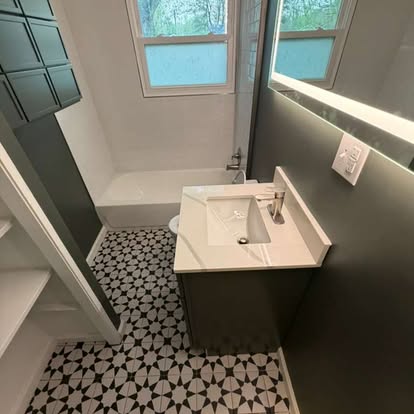
Tile Flooring Installation in Louisville, KY & Southern Indiana | A Kingdom Construction
Tile flooring remains one of the most durable and attractive flooring options available for both residential and commercial properties. Whether you're remodeling a bathroom, updating a kitchen, finishing a basement, or renovating an entire home, tile can provide decades of performance when installed correctly.
Unfortunately, we've also seen countless tile floors fail prematurely because corners were cut during installation. Cracked grout, loose tiles, hollow spots, and uneven floors are often the result of problems underneath the tile—not the tile itself.
At A Kingdom Construction Company, we install tile flooring throughout Louisville, Prospect, St. Matthews, Middletown, Jeffersontown, Crestwood, La Grange, Shepherdsville, Jeffersonville, New Albany, Clarksville, Sellersburg, and surrounding communities throughout Kentucky and Southern Indiana. One of the biggest misconceptions we encounter is that tile installation is simply a matter of laying tile and applying grout. In reality, a successful tile floor begins long before the first tile is installed.
Why Some Tile Floors Last 30 Years While Others Fail Within a Few Years
One of the biggest differences between a tile floor that lasts decades and one that begins cracking within a few years comes down to preparation.
Many homeowners never see what is underneath their finished floor, but the condition of the subfloor directly impacts the longevity of the installation. Before tile is installed, the floor structure must be evaluated for movement, moisture issues, damaged materials, and uneven surfaces.
We've encountered projects where previous installers laid tile directly over damaged subflooring, improperly secured underlayment, or existing flooring materials that should have been removed. While these shortcuts may save time initially, they often lead to expensive repairs later.
A properly installed tile floor requires a stable foundation, appropriate underlayment, proper fastening methods, and attention to movement joints that allow the flooring system to expand and contract naturally.
The Biggest Tile Flooring Problems We See During Renovation Projects
Many of the tile flooring projects we complete begin with the removal of a failed floor.
Some of the most common issues we uncover include:
Water-damaged subfloors around toilets, tubs, and showers
Multiple layers of old flooring hidden beneath the surface
Improper floor leveling from previous renovations
Cracked concrete slabs
Loose underlayment panels
Moisture intrusion in basements and lower-level living spaces
Tile installed without proper expansion joints
These hidden issues often cannot be identified until demolition begins. This is one reason experienced contractors avoid providing unrealistically low estimates without first evaluating site conditions.
Porcelain vs. Ceramic Tile: Which Is Better?
Homeowners frequently ask whether ceramic tile or porcelain tile is the better choice.
The answer depends on how the space will be used.
Porcelain tile is denser, harder, and less porous than ceramic tile. It performs exceptionally well in high-traffic areas, mudrooms, entryways, kitchens, and commercial spaces. It also offers excellent moisture resistance, making it a popular option for bathrooms and basements.
Ceramic tile remains a great choice for many residential applications and is often available at a lower price point. It can provide excellent performance when installed in appropriate locations.
For many homeowners throughout Louisville and Southern Indiana, porcelain tile offers the best combination of durability, longevity, and low maintenance.
What Happens During a Professional Tile Flooring Installation?
Many homeowners are surprised by how much work occurs before tile installation actually begins.
A typical project may include:
Initial Inspection
The existing floor structure is evaluated for damage, movement, moisture concerns, and leveling issues.
Demolition
Existing flooring materials are removed and disposed of properly.
Subfloor Repairs
Damaged wood, underlayment, or concrete surfaces are repaired as necessary.
Floor Preparation
The surface is cleaned, leveled, and prepared according to manufacturer specifications.
Tile Layout
A detailed layout is established to minimize small cuts and create a balanced appearance throughout the room.
Tile Installation
Tiles are installed using appropriate setting materials and techniques.
Grouting and Finishing
After the tile has properly cured, grout is installed and finishing details are completed.
Final Cleanup and Inspection
The completed floor is cleaned and inspected to ensure quality workmanship.
Hidden Costs That Can Impact Tile Flooring Projects
One of the most common questions homeowners ask is why tile flooring estimates sometimes vary significantly between contractors.
The answer often comes down to what is included in the scope of work.
Factors that may affect project costs include:
Existing flooring removal
Floor leveling requirements
Subfloor repairs
Water damage remediation
Structural reinforcement
Complex tile patterns
Custom borders and accents
Appliance removal and reinstallation
Trim and transition modifications
A thorough evaluation helps identify these factors before construction begins and reduces the likelihood of unexpected surprises during the project.
Is Tile Flooring Worth the Investment?
For many homeowners, tile flooring offers one of the best long-term values available.
Unlike carpet, which may require replacement every several years, or certain lower-grade flooring products that can wear quickly, properly installed tile flooring can last for decades.
Tile also provides:
Excellent durability
Moisture resistance
Easy maintenance
Timeless design options
Increased appeal to future buyers
Compatibility with modern remodeling trends
When installed correctly, tile flooring often becomes a long-term investment rather than a recurring expense.
Tile Flooring for Bathrooms, Kitchens, and Basements
Tile remains one of the most versatile flooring options available because it performs well in areas where moisture, spills, and heavy traffic are common.
Bathrooms benefit from tile's water resistance and ease of cleaning.
Kitchens benefit from its durability and resistance to everyday wear.
Basements often benefit from tile because it handles changing humidity levels better than many alternative flooring materials.
For homeowners considering a larger renovation project, tile flooring can also complement kitchen remodeling, bathroom remodeling, basement finishing, and whole-home renovation projects.
Frequently Asked Questions About Tile Flooring
Can tile be installed over existing tile?
In some situations, yes. However, the existing floor must be structurally sound and meet specific installation requirements. A professional evaluation is recommended before proceeding.
How long does tile flooring last?
A properly installed tile floor can often last several decades with routine maintenance.
Is tile flooring a good choice for basements?
Yes. Tile performs exceptionally well in many basement environments due to its durability and moisture resistance.
How long does installation take?
Project timelines vary based on square footage, floor preparation requirements, tile selection, and overall project complexity.
Does tile increase home value?
Quality flooring improvements often contribute positively to overall property appeal and can be attractive to future buyers.
Work With an Experienced Tile Flooring Contractor
A successful tile flooring installation is about much more than selecting a tile pattern. Proper preparation, attention to detail, and quality workmanship play a major role in how the finished floor performs over time.
At A Kingdom Construction Company, we provide professional tile flooring installation services throughout Louisville, Prospect, St. Matthews, Middletown, Jeffersontown, Crestwood, La Grange, Shepherdsville, Bullitt County, Jeffersonville, New Albany, Clarksville, Sellersburg, and surrounding communities throughout Kentucky and Southern Indiana.
If you're considering new tile flooring for your home or business, contact A Kingdom Construction Company today to schedule a consultation and request a free estimate.
Tile Flooring Installation Areas We Serve
A Kingdom Construction Company provides professional tile flooring installation services for homeowners and businesses throughout Louisville, Kentucky, Southern Indiana, Northern Kentucky, Cincinnati, and surrounding communities.
Our service areas include:
Louisville, KY
Prospect, KY
St. Matthews, KY
Middletown, KY
Jeffersontown, KY
Crestwood, KY
La Grange, KY
Oldham County, KY
Shepherdsville, KY
Bullitt County, KY
Jeffersonville, IN
New Albany, IN
Clarksville, IN
Sellersburg, IN
Northern Kentucky
Cincinnati, OH
Whether you're updating a bathroom, remodeling a kitchen, finishing a basement, or replacing flooring throughout your home, our team can help you select the right tile products and provide professional installation built to last.